

David C. Mohr, PhD
Founder and Past President
Professor of Preventive Medicine, Medical Social Sciences, and Psychiatry & Behavioral Sciences; Director, Center for Behavioral Intervention Technologies, Northwestern University
LinkedInThe Society for Digital Mental Health is a nonprofit organization that brings together the people who study, build, deliver, pay for, regulate and use digital mental health treatment, so that safe, evidence-based care reaches those who need it.
We are dedicated to transforming mental health care by improving access to safe, evidence-based and equitable digital mental health within care delivery systems.
Closing the gap between research and practice to create impactful digital mental health treatment.
Bringing leaders together to share expertise and explore collaborations that drive responsible use of digital treatments in mental health care.
Advancing research, implementing solutions, and promoting accessible, evidence-based tools.
Clinicians, policymakers, researchers, technologists, companies, healthcare systems and people with lived experience.
A future where safe, effective and responsible digital mental health treatment can be accessed by all those in need.

SDMH grew out of a single meeting of leaders in digital mental health in 2019, and was formally founded two years later to act on key recommendations from that gathering.
Representatives from healthcare, payers, research, policy, investment and patient advocacy met to examine the research-to-practice gap in digital mental health in the United States. The Forum made three recommendations:

To promote the advancement of digital mental health research, policy and practice. Founding sponsors - BrainFutures, The Bowman Family Foundation, Boehringer Ingelheim and Otsuka - backed SDMH in its first two years.
Making Digital Mental Health Work in the Real World. The Society has convened members every year since.
Seven health systems and ten companies published what they learned from implementing digital mental health treatment, peer-reviewed in Frontiers in Digital Health. In November, Board members testified before the FDA's Digital Health Advisory Committee on generative AI, urging them to adopt a tailored, risk-based framework emphasizing clinical accountability, scalable safety, and clear human-escalation pathways
Responsible Integration of Generative AI and Large Language Models in Mental Health Care, published in March. Future Forward: Navigating Change in Digital Mental Health, in June.
Since the Banbury Forum, the healthcare, legislative, regulatory and research landscapes have changed, driven in part by the pandemic and rising rates of mental health challenges and substance use. These goals adapt with them.
Advocate for clear reimbursement pathways and regulatory frameworks so that digital mental health treatments are recognized and funded in healthcare systems.
Support the implementation and adoption of evidence-based digital mental health treatments in healthcare and community settings by addressing key challenges and developing best practices.
Ensure that patients are at the center of all digital mental health treatments, with a focus on accessibility, equity, and effectiveness.
Promote inclusive design and equitable implementation so digital mental health treatments reduce disparities in access to mental health services.
Promote engagement, knowledge sharing, and education across every stakeholder group in the field.
The board governs the Society and sets its direction.
Founder and Past President
Professor of Preventive Medicine, Medical Social Sciences, and Psychiatry & Behavioral Sciences; Director, Center for Behavioral Intervention Technologies, Northwestern University
LinkedIn
President
Professor of Psychological Science & Informatics, University of California, Irvine
LinkedIn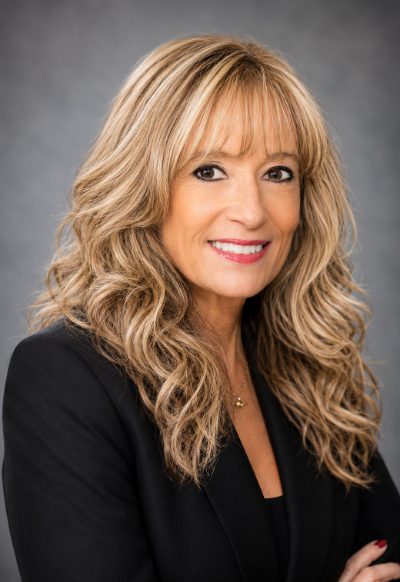
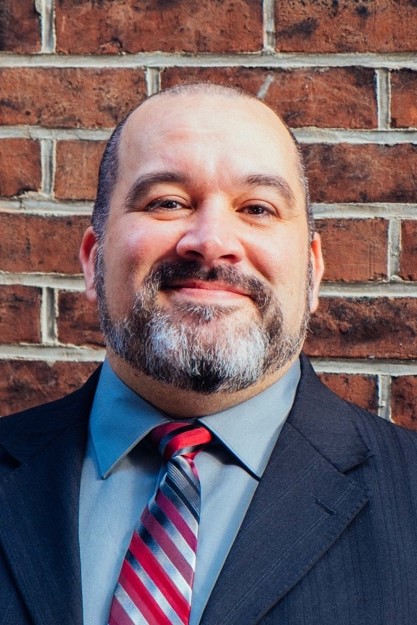
Executive Director
Society for Digital Mental Health; Adjunct Clinical Instructor, School of Pharmacy, University of Pittsburgh
LinkedIn
Member-at-Large
Assistant Professor of Psychiatry, University of Pittsburgh; Director, PRIDE iQ (Program for Internet Delivered Interventions on LGBTQA+ Mental Health)
LinkedIn



Membership Committee Chair
Reliant Medical Group, OptumCare; Harvard Medical School
LinkedInThe Society's day-to-day leadership.
President
Professor of Psychological Science & Informatics, University of California, Irvine
LinkedInStephen Schueller, Ph.D. is a professor of psychology and informatics at the University of California, Irvine. As a clinical psychologist and mental health services researcher, Dr. Schueller's work focuses on how technology can improve access to and accessibility of mental health services. This includes the development, evaluation, and implementation of digital mental health treatments in diverse settings and populations. At UCI he directs the Technology and Mental Health (TEAM) Lab, he also serves as the Director of the Dissemination and Implementation Unit for UCI's Institute of Clinical and Translational Science, and is a faculty member in the Institute for Health Technologies and Transformation Center, the Connected Learning Lab, and the Jacobs CERES Center. Dr. Schueller's work lies at the intersection of clinical science, human-computer interaction, and implementation science. He has two decades of experience in digital mental health and has authored over 150 publications.
Lisa Palko, PharmD is the Executive Director of the Society for Digital Mental Health and serves as a Senior Medical Advisor for Health Systems Innovation and OPEN MINDS. Dr Palko earned her PharmD from the University of Pittsburgh with a specialization in psychiatry and is a passionate advocate for mental health and technology-driven solutions. Dedicated to revolutionizing mental healthcare through digital innovation, her experience in the pharma industry includes serving as the Vice President of Medical Affairs at Akili Interactive, and as a Medical Director for Otsuka Digital Health. With more than two decades working in mental digital health/medicine organizations, she has been invited to advise on several pre-market applications and was instrumental in the development of a military population health tool. She was asked to participate in several speaking engagements demonstrating the use of technology to support the opioid crisis. Dr Palko is committed to bridging the gap between mental health needs and accessible, effective solutions. She has previously worked at UPMC Health Plan and Western Psychiatric Institute and Clinic (UPMC). Her experience has resulted in the cultivation of a unique skill set essential for navigating the intersection of mental health and technology.

Communications & Operations Advisor
Society for Digital Mental Health
LinkedInJeane Davis, RN, MSN/MPH is a public health leader on a mission to advance trusted, patient-centered, and science-based health communications, policy change, and product innovation. She values community building and local voices, and is dedicated to supporting workforce well-being across industry. Together with the U.S. Surgeon General, U.S. CDC (China), USAID (Afghanistan), Peace Corps (Malawi), Johns Hopkins University (South Africa), and partner NGOs, she has worked globally to address urgent public health issues, from HIV, TB, and COVID-19, to healthcare worker burnout, social connection, and youth mental health. Her work has strengthened national health policies and clinical guidelines, and resulted in peer-reviewed articles, trainings and tools for both clinicians and consumers.
Check out all of our Committees and Special Interest Groups on the Get Involved page, where you can sign up for them today!
Membership is free. Get the monthly newsletter and join a Special Interest Group.
Join for freeSDMH is a small, largely volunteer-run nonprofit. Sponsors, foundations and donors keep it going.
Sponsor or Give